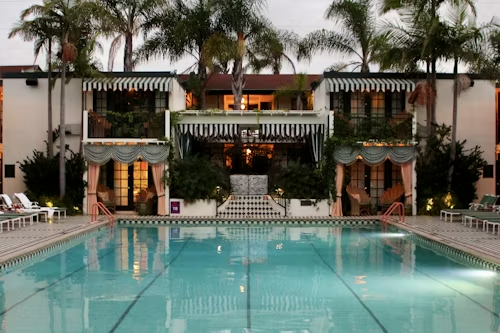
Swimming pools in San Diego come in many styles and serve different needs, whether near the coast or farther inland. Pool remodeling features make a significant difference in how a pool looks, lasts, and functions. Local climate, environmental conditions, and homeowner preferences all influence these decisions. Understanding the differences between a coastal and an inland swimming pool helps homeowners understand what they need in an upgrade for their property.
How Location Affects Decisions in Pool Remodeling
Location is a major concern when selecting features for pool remodeling. Houses near the coastline are constantly exposed to salt air, high humidity, and mild temperatures. In contrast, houses further inland have very hot summers, cool winters, and dry air. These differences affect everything from the materials selected to the design and basic maintenance needs of the pool.
This means that coastal pools have to endure salt and moisture, as these naturally destructive elements can degrade surfaces and equipment over time. On the other hand, inland pools go through more direct sunlight and drastic temperature changes, causing fading, cracking, or higher rates of evaporation.
Key Differences between Coastal and Inland Pool Environments
Salt Air Effects on Pool Finishes and Equipment
Coastal pool design considerations often begin with material selection. Materials used in salt air pools, like marine-grade stainless steel, glass tile, or specific types of stone, offer good resistance to corrosion and surface damage. Some finishes and equipment may deteriorate rather quickly in salty, moist air.
It’s also common to use pumps, lighting, and hardware rated for marine exposure as another way to support long-term pool durability in ocean-side environments. Such pool durability solutions cut down on rust, discoloration, and equipment failure, thus making long-term maintenance easier.
Temperature Fluctuations and Sun Exposure Management
With inland pools, heat and sun are the biggest concerns. UV-resistant pool resurfacing options, such as using aggregate or lighter-colored finishes, will prevent fading and keep surfaces cooler. Shade structures and energy-efficient pool equipment can help to manage water temperature and minimize evaporation.
Other helpful pool remodeling features for inland homes include automation systems. These systems can automatically adjust heating and filtration according to the weather outside, thus economizing on energy consumption while keeping your pool comfortable throughout the year.
Remodeling Features that Work Well Near the Coast
Pools near the ocean need features that resist moisture and salt. Noncorrosive handrails, marine-grade pumps, and moisture-resistant tile or aggregate finishes are popular choices. Water conservation features, including automatic covers and efficient filtration, are also useful. Salt can make it harder to balance pool chemicals, so limiting evaporation and splash-out is crucial.
Infinity edges that maximize ocean views and integrated lighting designed for salty air are some of the modern pool renovation trends in homes on the coast. These features combine durability with style, maximizing the setting of being on the coast.
Upgrading a Pool for a Hotter Inland Area
Inland homes often require different pool remodeling features for comfort and efficiency. Placing insulation, solar heating, and energy-efficient pool equipment are some common upgrades to decrease energy costs in very hot months. UV-resistant pool resurfacing options help maintain the appearance and comfort of a pool even in strong, direct sun. Other popular water conservation features for inland pools include low-flow pumps, smart irrigation systems, and drought-tolerant landscaping. These upgrades will help homeowners use less water and maintain their pools even in arid conditions.
Materials and Systems for Longevity Enhancement
Wherever your pool may be, choosing the right materials and systems will ensure it truly lasts. In coastal pools, you can benefit from salt air pool materials and corrosion-resistant fixtures; inland pools require surfaces and systems that tolerate extreme temperatures. Energy-efficient pool equipment and automation are good choices no matter the environment, as they save energy and lower ongoing maintenance.
When comparing remodeling approaches for different environments, many homeowners review documented project breakdowns and regional insights available on resources like visit Way To Go Builders San Diego website to understand how specific features perform over time. Such insights help readers understand how specific features perform over time in different parts of San Diego.
Balancing Design, Performance, and Maintenance
A well-planned pool remodel integrates attractive design with practical upgrades. Each of the Coastal and inland homes requires a different approach, yet these features are common in reducing long-term costs and making maintenance easier. Advanced filtration, durable finishes, and energy-saving equipment can keep a pool in top condition.
Location also affects maintenance needs. Coastal pools may need more regular checks for rust or corrosion. On the other hand, inland pools face strong sun and heat that require different design considerations for finishes and surface durability. Knowing these factors when remodeling helps the pool stay safe, attractive, and functional for years to come.
San Diego Pool Remodeling Guide: Best Features for Coastal & Inland Homes