Coffered ceilings create depth by dividing a broad overhead surface into a controlled pattern of recessed panels. They can make large rooms feel more structured, but successful coffered ceiling ideas depend on ceiling height, beam proportions, panel spacing, and the amount of detail already present elsewhere.
The strongest designs make the grid feel architectural rather than decorative.
Decide How Strong the Grid Should Feel
Deep coffers create heavier shadow lines and a formal appearance. Shallower beams produce definition without visually lowering the ceiling as much.
Room scale should guide that decision. A large living room with high ceilings can support thick beams and broad recessed panels, while a smaller dining room may benefit from narrower trim arranged in a simpler grid.
Square Grids Aren’t the Only Choice
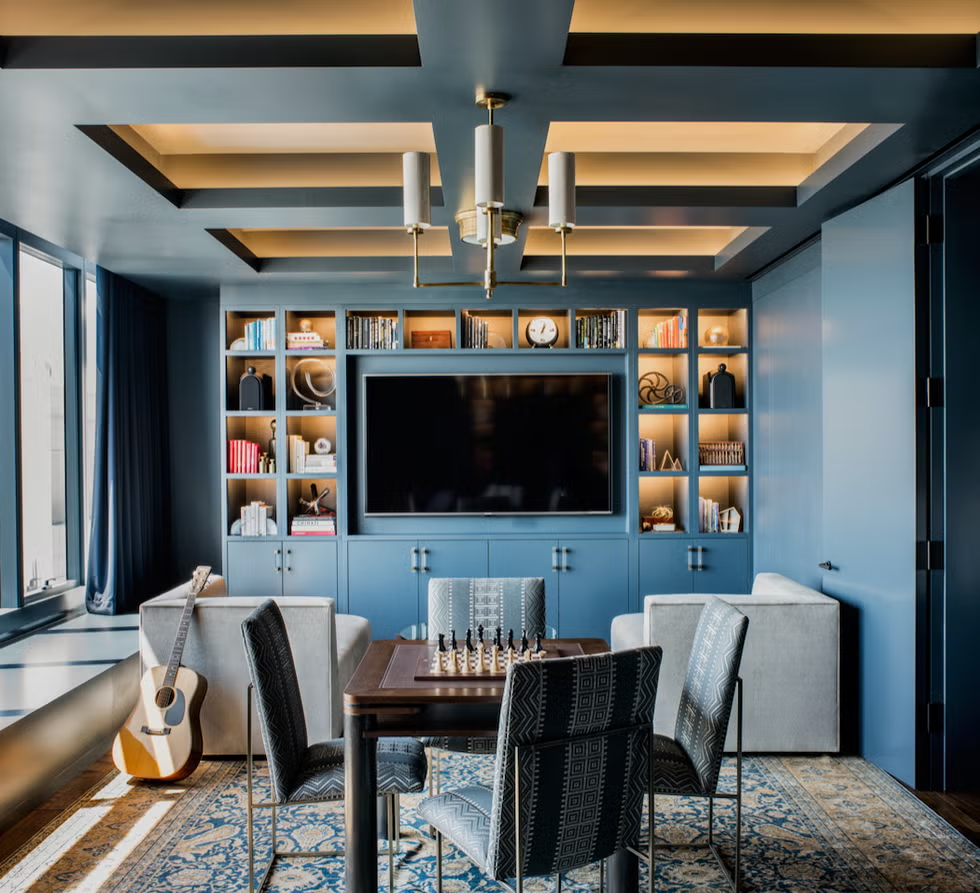
Rectangular coffers can reinforce the direction of a long room. A centered arrangement can also frame a chandelier or seating area without forcing identical panel dimensions across the entire ceiling.
Exploring broader architectural home details may help when considering how ceiling geometry relates to wall paneling, cabinetry, and other linear elements.
Use Color to Control the Amount of Contrast
Painting beams and recesses the same color creates a calmer ceiling. The pattern remains visible because changing surfaces naturally produce highlights and shadows.
Contrast creates more drama. White beams around darker recesses can make individual panels stand out, while a wood-toned grid introduces warmth and a heavier architectural presence.
People comparing whole-property design ideas may also use exterior architecture references to study proportion and repeated structural lines. Similar principles of rhythm and spacing often matter inside the home.
| Coffer Approach | Character | Useful Setting |
|---|---|---|
| Shallow painted grid | Light and understated | Standard living rooms |
| Deep square coffers | Formal and dimensional | High ceilings |
| Rectangular panels | Directional structure | Long rooms |
| Wood beams | Warm visual weight | Traditional interiors |
Plan Lighting With the Ceiling Pattern
Lighting should cooperate with the grid instead of appearing squeezed between beams. Recessed lights can be centered within selected panels, while a chandelier may occupy one larger central section.
For rooms with several light sources, decide electrical positions before finalizing beam dimensions. Moving a downlight a few inches on paper is easy. Discovering that a beam crosses an existing fixture location after construction begins is not.
Broader decorative home inspiration can also offer useful visual references when coordinating strong focal features with surrounding architectural details.
Pay Attention to Ceiling Height
Coffers physically or visually bring portions of the ceiling downward. That can create welcome intimacy in a tall space, but the same effect may feel restrictive in a low room.
Shallow applied trim can imitate the geometry of coffering without requiring substantial dropped beams. This is often a practical compromise when architectural depth is desired but vertical clearance is limited.
Mistakes That Make Coffers Feel Heavy
The most common problem is using beams that are too thick for the room. A second issue is creating too many small panels, which turns a calm grid into visual clutter.
Irregular intersections are equally distracting. Before installation, map the entire ceiling and check how the grid meets walls, vents, lights, and architectural openings. Consistent edge conditions often matter more than adding extra molding.
Frequently Asked Questions
Do coffered ceilings make rooms look smaller?
They can if the beams are deep, dark, or closely spaced. Shallow coffers painted in a light ceiling color can add structure while keeping the room visually open.
Can a coffered ceiling work with recessed lighting?
Yes. Recessed lights can be centered within selected panels or placed in a balanced repeating layout. Planning the lighting and grid together usually creates the cleanest result.
Are coffered ceilings only for traditional homes?
No. Modern versions often use simple square or rectangular beams without decorative molding. Clean edges and uniform paint can make the geometry feel contemporary.
Build the Pattern Around the Room
Good coffering starts with the room’s proportions, not a generic grid. Measure how panels will terminate at each wall, account for lighting and vents, and adjust beam depth to the available ceiling height. A restrained layout with consistent spacing usually creates more architectural depth than a complicated ceiling crowded with unnecessary trim.