Small dining areas often lose valuable space to chairs that need room to pull out. A storage banquette solves two problems at once by placing seating directly against the wall while creating concealed space underneath for dishes, linens, kitchen equipment, or less frequently used household items.
Match the Storage Style to the Dining Routine
Start by deciding how often the storage will be opened. Drawers are usually easier for everyday items because diners can access them without lifting seat cushions or moving everything from the bench.
Lift-up compartments can still be useful for large, lightweight belongings such as holiday table linens. They are less practical for objects needed during meals because opening the bench may require everyone to move.
Looking through different home furnishing concepts can help clarify whether the banquette should resemble kitchen cabinetry, freestanding furniture, or an architectural built-in.
Use Corners Without Creating Dead Space
L-shaped banquettes can turn difficult corners into useful seating, but the inside corner needs careful planning. A giant corner compartment may offer plenty of volume while remaining inconvenient to access.
Instead, divide the base into separate storage zones. Long drawers can serve the open sides, while the deepest corner can hold seasonal serving pieces that aren’t needed every week.
| Storage Zone | Useful Items | Access Style |
|---|---|---|
| Near table end | Napkins, placemats | Small drawer |
| Main bench | Serving dishes | Wide drawer |
| Corner compartment | Seasonal items | Lift-up lid |
| Outer end | Games or supplies | Cabinet door |
Keep the Seating Comfortable
Storage capacity shouldn’t dictate every dimension. An overly deep or upright bench may technically hold more belongings but become uncomfortable during long meals.
Back cushions, a slight backrest angle, and suitable seat depth make a major difference. Reviewing practical home design references can provide useful ideas for combining cabinetry proportions with seating that still feels relaxed.
Leave enough toe space beneath the front edge when possible. A recessed base lets people place their feet naturally rather than sitting with their heels pushed forward.
Make the Banquette Visually Lighter
Built-in seating can feel heavy in a compact room, especially when dark cabinetry extends from wall to wall. Light finishes, simple fronts, and uninterrupted horizontal lines can reduce that effect.
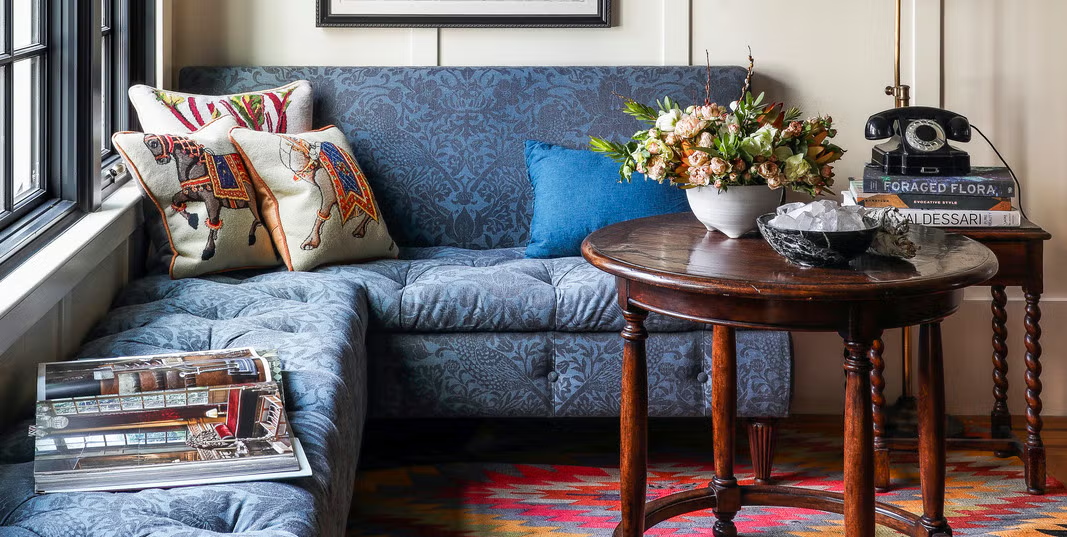
Another option is to keep one end open or use legs beneath part of the bench. This reveals more flooring and prevents the seating from reading as a solid block.
For rooms connected to patios or outdoor-facing windows, broader living-space inspiration may also help with coordinating interior seating and surrounding architectural views.
Where Banquette Storage Plans Often Fail
Trying to use every cubic inch can make the finished seating less practical. Oversized drawers may collide with table bases, while hinged lids may become inaccessible once cushions, plates, or people are in place.
Table placement deserves equal attention. A pedestal table often works better than four corner legs because diners can slide in from the sides. Measure walking clearances, drawer movement, and seating positions together rather than designing the storage base first and hoping the table fits afterward.
Frequently Asked Questions
What should you store inside a dining banquette?
Table linens, serving trays, placemats, seasonal dishes, board games, small appliances, and entertaining supplies are good candidates. Everyday items should remain in the easiest compartments, while less frequently used belongings can occupy deeper spaces.
Are banquettes suitable for very small dining rooms?
They can work especially well in small spaces because the bench doesn’t need the pull-out clearance required by individual chairs. The biggest gains usually come when the banquette sits tightly against an otherwise underused wall or corner.
Should a storage banquette use drawers or hinged seats?
Drawers are generally easier for frequent access. Hinged seats provide larger uninterrupted compartments but require the seat surface to remain clear whenever the storage is opened.
Design the Seating and Storage Together
A compact dining banquette works best when storage is treated as part of the seating design rather than squeezed beneath it afterward. Plan table clearance, foot position, cushion depth, and compartment access at the same time. The result can replace several bulky chairs, contain dining-room clutter, and make a limited floor plan feel noticeably more organized without sacrificing the comfort needed for everyday meals.