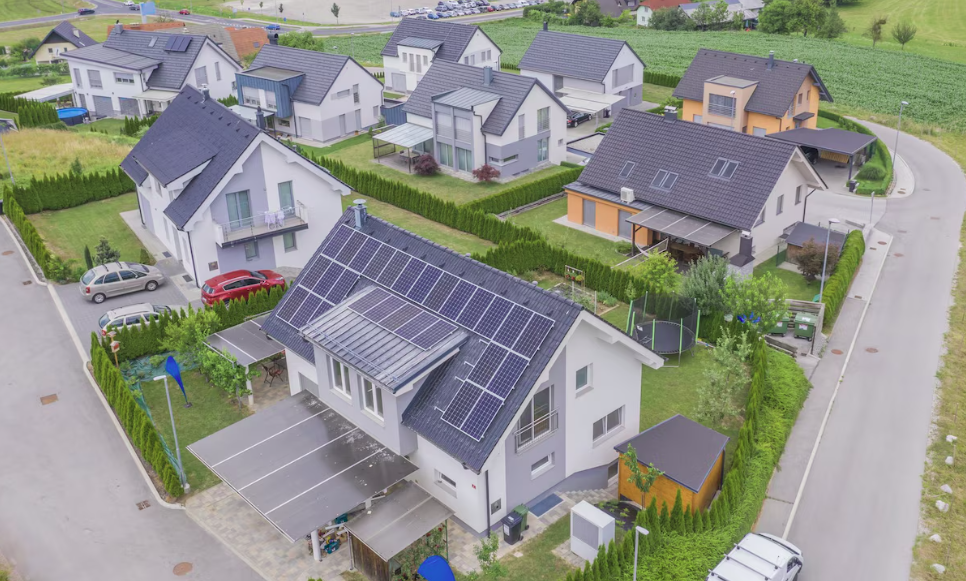
Transitioning to renewable energy is a significant decision that offers long-term financial and environmental rewards. Homeowners are increasingly turning to the sun to power their daily lives, seeking independence from rising utility costs.
However, the process of moving toward a sustainable lifestyle requires careful planning and a thorough understanding of your property’s potential.
A professional solar installation is more than just placing panels on a roof; it is a complex engineering project that must be tailored to your specific energy needs and local climate conditions.
By evaluating key technical and financial factors, you can ensure that your investment provides maximum efficiency for decades to come.
Assessing Roof Orientation and Structural Integrity
The first step in any project is a detailed inspection of the mounting surface. For maximum energy harvest, a roof should ideally face south and have a pitch that aligns with the local latitude. However, even east or west-facing roofs can be highly productive with modern high-efficiency panels.
It is equally important to verify that the roof structure can support the additional weight of the hardware.
If your roof is nearing the end of its lifespan, it is often more cost-effective to replace or reinforce it before the solar installation begins. This prevents the need to remove and reinstall the entire system just a few years later.
Analyzing Daily Energy Consumption and System Sizing
To achieve the best return on investment, the system must be sized correctly according to your household’s historical power usage. Reviewing at least twelve months of utility bills allows you to understand peak demand periods and seasonal fluctuations.
An oversized system may result in unnecessary upfront costs, while an undersized one will leave you dependent on the grid.
A professional solar installation should be designed to cover as much of your baseline load as possible while accounting for future additions, such as an electric vehicle or a new heating system. Accuracy in this phase is the foundation of a high-performing energy solution.
Evaluating Shade Obstructions and Environmental Impacts
Even a small amount of shade on a single panel can significantly reduce the output of the entire string. When planning your solar installation, it is vital to identify potential obstructions such as tall trees, neighboring buildings, or chimneys.
Professional installers use sophisticated software to model the sun’s path throughout the year, ensuring that the panels receive unobstructed light during the most productive hours of the day.
If shading is unavoidable, utilizing micro-inverters or power optimizers can help mitigate the loss of efficiency, allowing each panel to operate independently of its neighbors.
Selecting High-Quality Panels and Inverter Technology
The market is filled with various types of photovoltaic modules, each offering different levels of efficiency and durability. Monocrystalline panels are generally preferred for residential use due to their sleek appearance and superior performance in low-light conditions.
Furthermore, the choice of an inverter is critical, as it converts the captured energy into usable electricity for your home appliances.
Investing in tier-one equipment ensures that your solar installation is backed by strong manufacturer warranties and reliable technical support. Quality components are essential for maintaining system uptime and protecting your home’s electrical integrity.
Understanding Local Incentives and Financing Options
The financial viability of a renewable project is often enhanced by various government incentives, tax credits, and net metering programs. These financial mechanisms can drastically reduce the payback period of the initial investment.
Before proceeding, research the available grants or low-interest loans specifically designed for green energy upgrades. A well-planned solar installation becomes much more affordable when you leverage these programs effectively.
Understanding the local regulatory landscape also helps in ensuring that your system is permitted correctly and meets all safety standards required for grid interconnection.