Motion sensor lighting can remove small frustrations from everyday movement around the house. Instead of searching for a switch with full hands or walking through a dark hallway, lights respond as you approach. The most useful motion sensor light ideas focus on practical locations, sensible brightness, proper detection range, and timing that matches what people actually do in each space.
Start With Transitional Areas
Hallways, stair landings, entryways, and mudrooms are strong places for motion lighting because people often pass through rather than stay for long periods. Automatic illumination can make these areas easier to use at night.
Planning these details alongside other residential planning ideas can help homeowners think about lighting as part of movement through the entire house rather than treating every fixture separately.
Give Stairs Special Attention
A sensor placed near both ends of a staircase can be more useful than one placed only at the bottom. The goal is to detect someone before they step onto the stairs, not after they have already entered the darker area.
Use Low-Level Lighting for Nighttime Paths
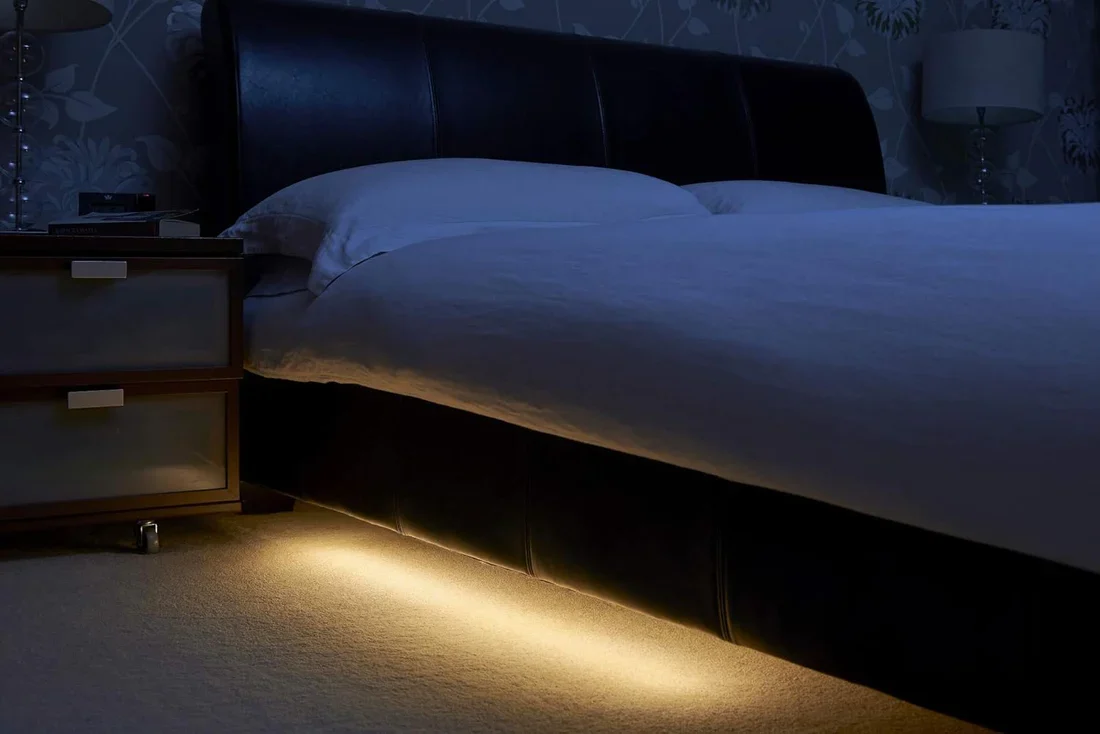
Full ceiling brightness can feel harsh during late-night trips to the bathroom or kitchen. Small motion-activated wall lights, toe-kick lights, or low hallway fixtures can provide enough visibility without flooding the room.
Homeowners exploring home improvement reading may find this especially useful for bedrooms, guest areas, and spaces where people move while others are sleeping.
| Location | Useful Lighting Style | Main Benefit |
|---|---|---|
| Hallway | Low wall light | Gentle night movement |
| Staircase | Step or wall light | Better path visibility |
| Closet | Ceiling sensor light | Hands-free access |
| Entry | Overhead or sconce | Easier arrival |
Put Sensors Inside Closets and Storage Areas
Closets are easy places to forget a light because hands may be occupied with clothing, boxes, or household supplies. A motion sensor can switch the light on as the door opens or someone enters.
The same approach works in pantries, utility rooms, and storage areas. Broader outdoor design references may also inspire similar ideas for sheds, covered entries, and storage zones near patios.
Adjust the Shutoff Delay
A closet light may need only a short delay, while a pantry or utility room may require more time. If the light turns off while you are standing still, the delay is probably too short for the way the space is used.
Be Careful With Bedrooms and Living Rooms
Motion lighting is not automatically useful everywhere. A sensor in a bedroom may activate when someone changes position at night, and a living-room sensor can become irritating during movies or quiet evenings.
In rooms where people sit still for long periods, manual controls or occupancy sensors designed to detect subtle movement may work better than a basic motion detector.
Where Motion Lighting Often Goes Wrong
Poor sensor placement causes many problems. A detector aimed toward a busy doorway, moving curtain, pet route, or nearby room may trigger lights when nobody actually needs them.
Brightness can also be excessive. A small night path rarely needs the same output as a kitchen workspace. Matching the sensor range, brightness, and shutoff delay to the purpose of the room creates a calmer result than making every automatic light react the same way.
Frequently Asked Questions
Can motion sensor lights work with pets in the house?
They can, although some sensors may react to pets depending on their height, size, and movement. Placement and sensitivity settings can help reduce unnecessary activation.
Where should a motion sensor be placed in a hallway?
Position it where approaching movement can be detected before someone enters the darkest section. Avoid aiming it toward unrelated rooms if passing traffic could trigger the light repeatedly.
Are motion sensor lights suitable for bathrooms?
Yes, particularly for nighttime use or shared bathrooms. A longer shutoff delay is usually more comfortable so the light does not switch off while someone remains relatively still.
Design Lighting Around Movement
Automatic lighting works best when it responds to a real household habit. Focus first on dark transition areas, stairs, closets, and nighttime routes, then adjust brightness and timing to suit each space. Thoughtful motion lighting should make moving around the home easier without constantly reminding you that a sensor is controlling the light.