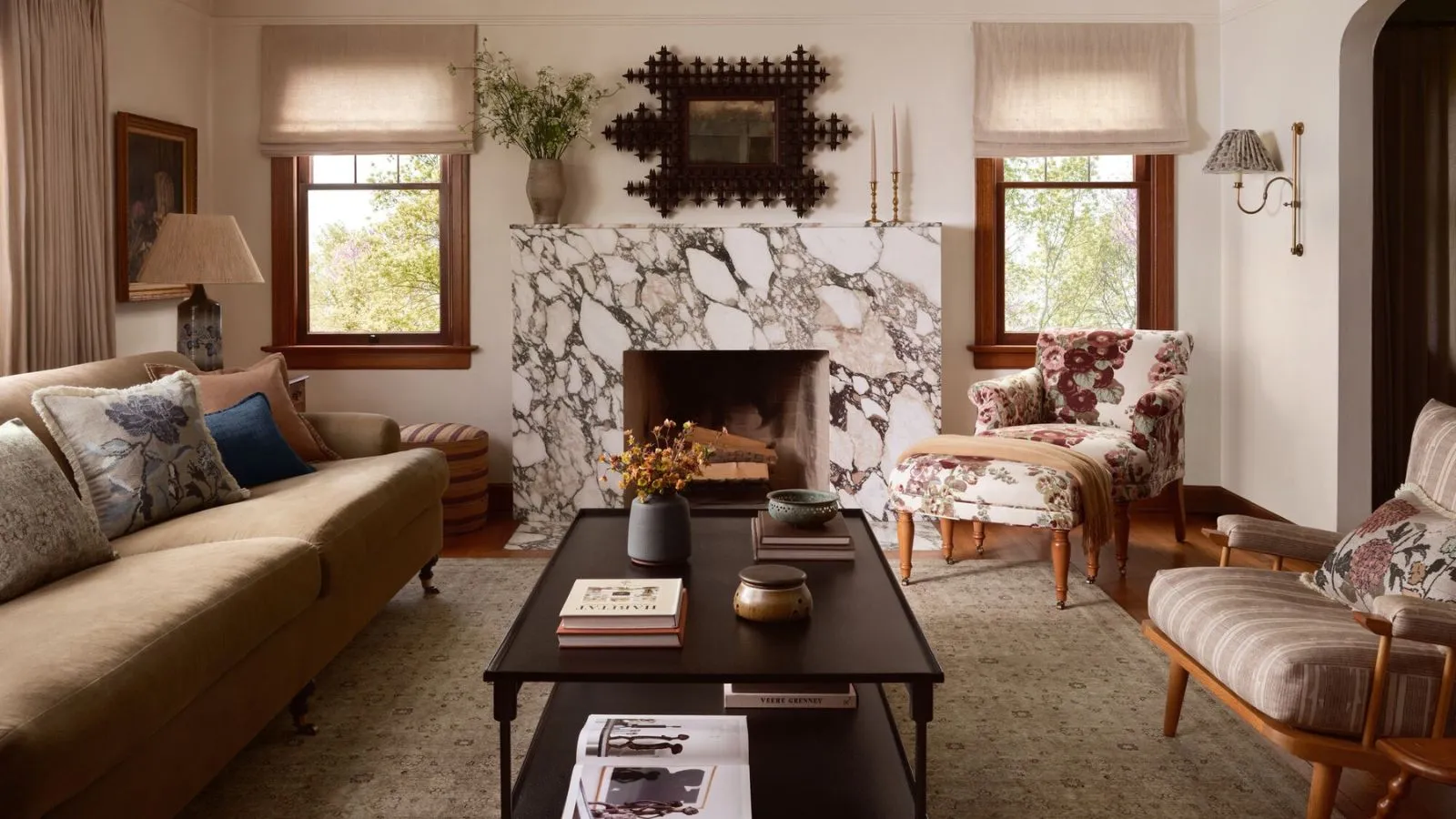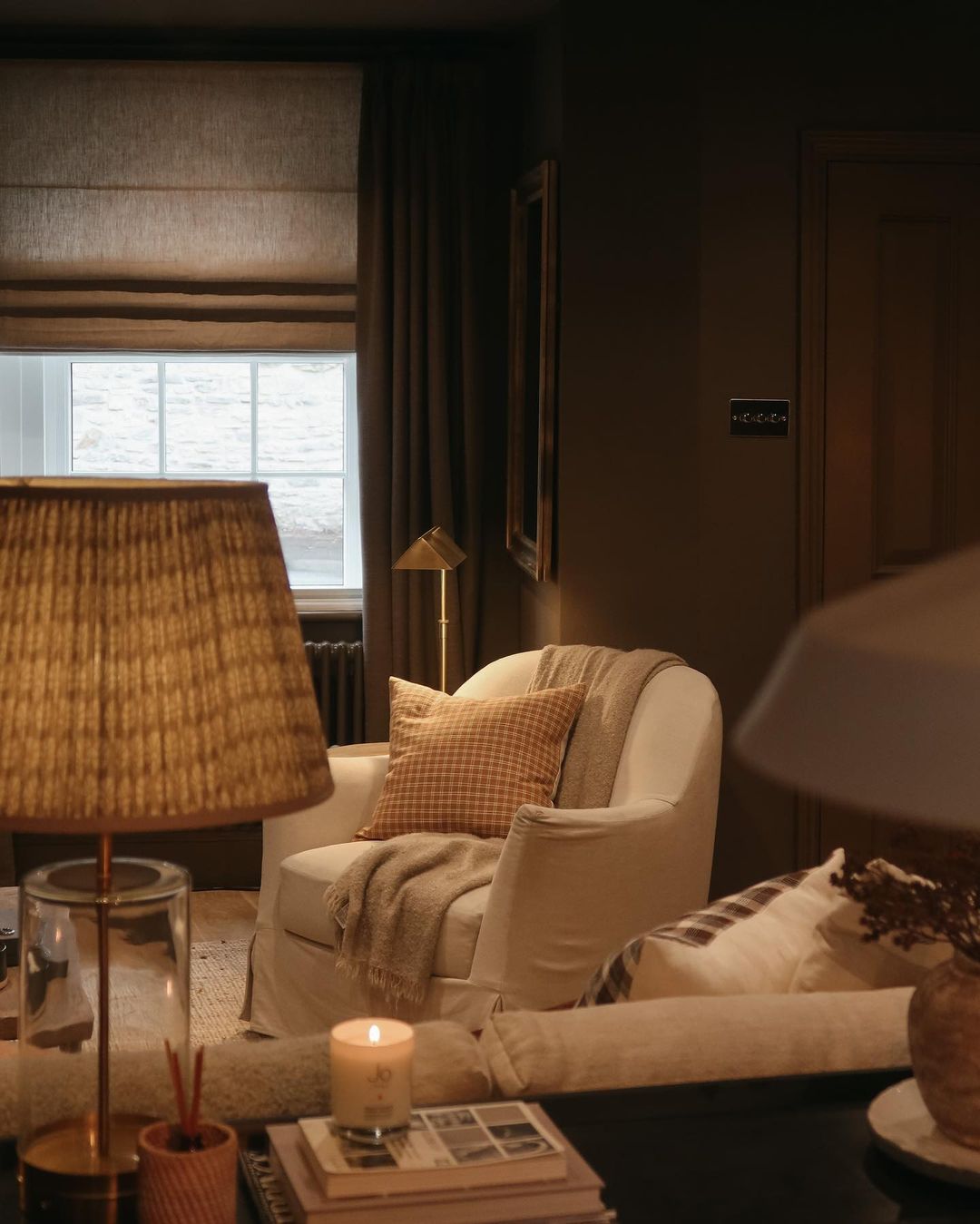
Selecting the right furniture is not merely a matter of style it directly impacts functionality, comfort, and the overall harmony of any space. Strategic furniture selection and procurement ensures that each piece serves a purpose while complementing the design aesthetic. With trends evolving rapidly in 2026, professionals and homeowners alike must understand not only how to choose furniture but also how to source it efficiently. This approach guarantees a cohesive, durable, and visually appealing interior that meets both practical needs and long-term investment goals.
Understanding the Essentials of Furniture Selection
Before purchasing, it is critical to evaluate the fundamental aspects of furniture. Effective furniture selection and procurement begins with understanding the needs of the space, the users, and the intended style.
Functionality: The primary purpose of each furniture item should guide selection. High-traffic areas require durable seating and tables, while decorative pieces may prioritize aesthetics. Multifunctional furniture, such as storage benches or extendable tables, adds versatility and maximizes efficiency in small spaces.
Size and Proportion: Accurate measurements prevent overcrowding or underutilization of space. Oversized furniture can dominate a room, while undersized pieces may appear disconnected. Scaled furniture promotes balance and harmony.
Style and Cohesion: Harmonizing furniture with existing décor creates a cohesive visual narrative. Colors, materials, and textures should complement rather than compete. Whether the goal is minimalist, traditional, or eclectic design, each piece must fit within the overall aesthetic vision.
Material Selection: Choosing the right material impacts both the longevity and appearance of furniture. Solid hardwood is timeless and durable, while engineered wood offers cost-effective alternatives. Metal elements such as stainless steel or brass provide contemporary appeal, and textiles like linen, velvet, or performance fabrics combine comfort and durability. Eco-conscious materials and sustainable sourcing are increasingly important in modern procurement.
Strategic Procurement for Furniture
Acquiring furniture is as important as selecting it. Efficient furniture selection and procurement requires planning, budgeting, and a clear understanding of supplier capabilities.
Supplier Evaluation: Researching suppliers is essential for reliable procurement. Evaluate portfolios, certifications, and industry experience. Trustworthy suppliers provide high-quality products, timely delivery, and professional customer support. Both local and international sourcing should be considered depending on design requirements and availability.
Budgeting and Cost Management: Compare pricing without compromising quality. Bulk ordering often yields discounts but should be balanced against storage limitations and project timelines. Consider shipping costs, installation fees, and warranty coverage to avoid unexpected expenses.
Contract Clarity: Clear agreements with suppliers reduce risks. Contracts should outline quality standards, delivery timelines, and post-purchase services. Negotiating flexible terms, long-term partnerships, or warranties ensures protection against potential issues.
Key Procurement Steps
- Identify suppliers with a proven reputation for quality and reliability.
- Compare pricing, delivery options, and lead times.
- Assess post-purchase support, including warranties and maintenance services.
- Negotiate terms that align with project timelines and budgets.
- Track orders using procurement software or spreadsheets to avoid delays.
Maximizing Value in Furniture Selection
Optimizing the balance between quality, style, and cost ensures long-term satisfaction. Consider these strategies:
- Prioritize Ergonomics: Seating, desks, and workspaces should support comfort and posture. Ergonomic furniture reduces discomfort and increases usability.
- Multi-functional Pieces: Furniture that serves multiple purposes adds efficiency and value, particularly in smaller spaces or flexible environments.
- Longevity Over Trend: While trends are important, timeless design and durable materials offer better long-term investment value.
- Sustainable Choices: Using environmentally responsible materials aligns with contemporary design ethics and enhances credibility in professional projects.
Avoiding Common Mistakes
Even experienced professionals encounter challenges during procurement. Avoid these pitfalls:
- Overlooking Lead Times: Delays can derail project schedules. Always plan ahead and confirm delivery dates.
- Ignoring Quality Checks: Inspect items for defects or damages upon arrival to ensure compliance with specifications.
- Neglecting After-Sales Support: Reliable suppliers provide warranties, maintenance guidance, and replacements for damaged items.
- Budget Overruns: Unexpected costs can occur if budgets do not account for shipping, installation, or customization.
Integrating Trends and Innovation
Keeping up with current trends and innovations enhances both style and functionality. Furniture trends in 2026 include:
Smart Furniture: Integration of technology, such as built-in charging stations, adjustable heights, and modular systems, increases convenience and efficiency.
Sustainable Design: Reclaimed wood, recycled metals, and low-impact finishes are in demand, reflecting the growing importance of environmental responsibility.
Custom Solutions: Tailored furniture allows for precise adaptation to space requirements, aesthetic goals, and functional needs. Customization provides unique design opportunities that elevate interior projects.
Flexible and Modular Furniture: Adaptable systems enable reconfiguration of spaces, which is particularly valuable in multi-use areas or evolving office and residential environments.
Actionable Tips for Smart Furniture Selection
- Create a Layout Plan: Visualize furniture placement using sketches, mood boards, or 3D software to anticipate spatial needs.
- Test Samples: Assess comfort, texture, and material quality through samples before final purchase.
- Prioritize Versatility: Choose pieces that can adapt to future needs, reducing the frequency of replacements.
- Consider Maintenance: Select materials that are easy to clean and maintain to prolong the life of each item.
- Balance Style and Function: Ensure aesthetic appeal does not compromise usability, durability, or comfort.
Enhancing Procurement Efficiency
- Digital Tools: Use procurement software to streamline ordering, budgeting, and tracking processes.
- Inventory Management: Maintain a clear record of existing furniture to avoid redundancy.
- Supplier Relationships: Strong relationships enable priority access, flexible terms, and better negotiation opportunities.
- Pre-Approval Process: Standardizing design approvals reduces errors and ensures that purchases align with the project vision.
Evaluating Furniture for Long-Term Value
Investing in furniture is not a short-term decision. Evaluating long-term value ensures both satisfaction and cost-effectiveness. Key strategies include:
- Assess durability and lifespan of materials.
- Consider resale or repurposing options for future projects.
- Balance high-cost items with budget-friendly solutions to optimize overall expenditure.
- Factor in ergonomic and multi-purpose functionality to increase usage and value.
Leveraging EEAT Principles
High-quality guest content on furniture should reflect Google’s EEAT principles:
- Experience: Share real-world examples, case studies, and project results.
- Expertise: Demonstrate knowledge of materials, furniture design, and procurement strategies.
- Authoritativeness: Reference suppliers, industry standards, or design certifications to build credibility.
- Trustworthiness: Provide clear, actionable advice, transparent cost guidance, and cautionary tips for pitfalls.
Conclusion
Strategic furniture selection and procurement elevates spaces by balancing aesthetics, functionality, and value. Implementing a structured approach considering materials, ergonomics, supplier reliability, budget management, and trends ensures each piece contributes to a cohesive, durable, and visually appealing interior. Smart selection and sourcing decisions reduce risks, enhance comfort, and maximize long-term investment, whether for residential or commercial projects. Professionals and enthusiasts who integrate these insights, as exemplified by Versa Design, create environments that are functional, stylish, and sustainable, achieving both immediate satisfaction and lasting value.