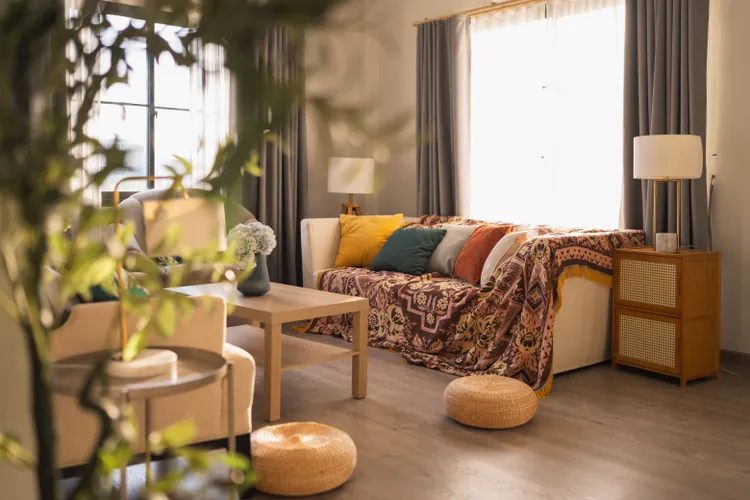
A beautifully designed room can look impressive in photographs, but good interior design should do more than create visual appeal. Homes are places where people cook, work, relax, raise families, entertain friends, store belongings, and deal with the ordinary messiness of everyday life. A room becomes genuinely successful when its design supports these activities instead of making them more difficult.
This means moving beyond trends and thinking carefully about how each space is actually used. The ideal arrangement for one household may be completely impractical for another. Designing around real routines can create a home that feels comfortable, organized, and personal without requiring constant renovation or expensive furniture.
Start With Daily Behavior
Before changing a room, it helps to observe what already happens there. Where do people naturally sit? Where are bags dropped after arriving home? Which surfaces collect clutter? Which pathways are used most frequently?
These details reveal more about what a room needs than a design trend ever could. If shoes consistently gather near an entrance, for example, the solution may be accessible shoe storage rather than expecting everyone to carry footwear to another room. If family members regularly charge devices beside the sofa, convenient power access could be more useful than another decorative table.
Lifestyle resources such as SydHub Blog can provide inspiration for contemporary living, but the strongest room designs ultimately begin with understanding personal habits. Instead of forcing people to adapt to a space, the space should make their existing routines easier.
Think About Movement Before Furniture
Furniture is often chosen individually, but rooms are experienced through movement. A large sofa might look perfect in a showroom yet become frustrating if everyone has to walk around it several times a day.
Consider the natural routes through each room before deciding where major pieces should go. Entrances should remain accessible, frequently used cupboards should open comfortably, and people should be able to move between important areas without navigating unnecessary obstacles.
This is especially important in smaller homes where every square meter needs to work effectively. Good circulation can make a modest room feel more spacious, while poor furniture placement can make even a large space feel cramped.
Give Everyday Objects Logical Homes
Clutter is not always caused by owning too much. Sometimes it happens because commonly used objects have nowhere convenient to go.
Storage works best when it reflects behavior. Keys need a place close to the entrance. Remote controls need storage near seating. Children’s school supplies should be accessible where homework normally happens. Kitchen tools used every morning should not be hidden behind items that appear only occasionally.
Ideas found through resources such as vizz.com.au can help homeowners explore practical lifestyle improvements, but organization becomes sustainable only when storage locations make sense for the household. When putting something away requires unnecessary effort, it will probably end up sitting on the nearest surface instead.
Design Kitchens Around Routines
Kitchens demonstrate particularly well why lifestyle should guide design. Two households can have identical kitchens but use them completely differently.
Someone who cooks elaborate meals regularly may prioritize generous preparation space, accessible utensils, and organized ingredient storage. Another household might care more about quick breakfasts, coffee preparation, and easy cleanup.
Instead of filling the kitchen with features simply because they are popular, think about repeated activities. Where does grocery unpacking happen? Which appliances are used every day? Can frequently needed ingredients be reached easily? Is there enough room for more than one person to prepare food?
A kitchen designed around these questions can feel more efficient without necessarily becoming larger.
Make Living Rooms Comfortable for Real Activities
Living rooms are often designed around appearance because they are among the most visible spaces in a home. Yet they may need to accommodate television viewing, conversations, reading, children playing, pets sleeping, guests visiting, and occasional work.
An Australian lifestyle blog may showcase beautifully styled living rooms, but homeowners should look beyond individual furniture pieces and consider how the entire room supports their routines.
If conversation is important, seating should make it easy for people to face one another. If movie nights are common, comfortable viewing positions matter. If children regularly play there, some open floor space and accessible toy storage may be more valuable than additional decorative furniture.
A room can still look polished while acknowledging that people actually use it.
Plan Bedrooms for More Than Sleeping
Bedrooms should primarily support rest, but their practical role often extends much further. They may also serve as dressing areas, reading spaces, temporary offices, or quiet retreats.
Good bedroom design considers what happens immediately before and after sleep. Clothing needs somewhere practical to go. Phones may need charging. Books, glasses, water, and other nighttime essentials should be easy to reach.
Lighting deserves particular attention. Bright general lighting can help with dressing and cleaning, while softer bedside lighting creates a more comfortable atmosphere before sleep. Blackout curtains, ventilation, and sensible furniture placement may contribute more to everyday comfort than purely decorative upgrades.
Design Family Spaces for Change
Households with children face an additional challenge because their needs evolve quickly. A play area suitable for a toddler may become a homework space a few years later and something completely different during the teenage years.
Advice from a parenting blog Australia readers follow may provide ideas for managing these transitions, but flexibility should be built into the room whenever possible. Adjustable storage, movable furniture, neutral foundational pieces, and multipurpose surfaces can allow spaces to evolve without complete redesigns.
It is also useful to consider what children can reach independently. Low hooks, accessible shelves, and clearly defined storage can encourage them to manage their own belongings. Practical design can therefore support everyday routines as well as independence.
Remember the Forgotten Spaces
Hallways, entrances, laundry areas, and corners rarely receive the same attention as kitchens or living rooms, yet these spaces can have a significant influence on how smoothly a household functions.
An entrance may benefit from hooks, a small bench, or storage for frequently used outdoor items. A laundry area becomes easier to manage when there is somewhere to sort clothes and keep supplies accessible. Even an unused corner can become a reading spot, compact workstation, or practical storage area.
These changes do not necessarily require extensive remodeling. Often, the goal is simply to identify an existing frustration and give the activity causing it a more suitable place.
Allow Rooms to Evolve
A home does not need to reach a permanent finished state. People change jobs, develop new hobbies, welcome new family members, alter routines, and gradually use their spaces differently.
Instead of treating interior design as a one time project, it can be helpful to see it as an ongoing response to daily life. Furniture can move. Storage can change. Rooms can take on new purposes as circumstances evolve.
The best designed homes are not necessarily those with the most expensive finishes or the latest trends. They are the ones where ordinary activities feel natural. When rooms are planned around real behavior, daily routines become easier, clutter becomes more manageable, and available space works harder.
Ultimately, a home should not demand that people behave perfectly to keep it functional. Thoughtful design accepts how people actually live and creates spaces that support them.