

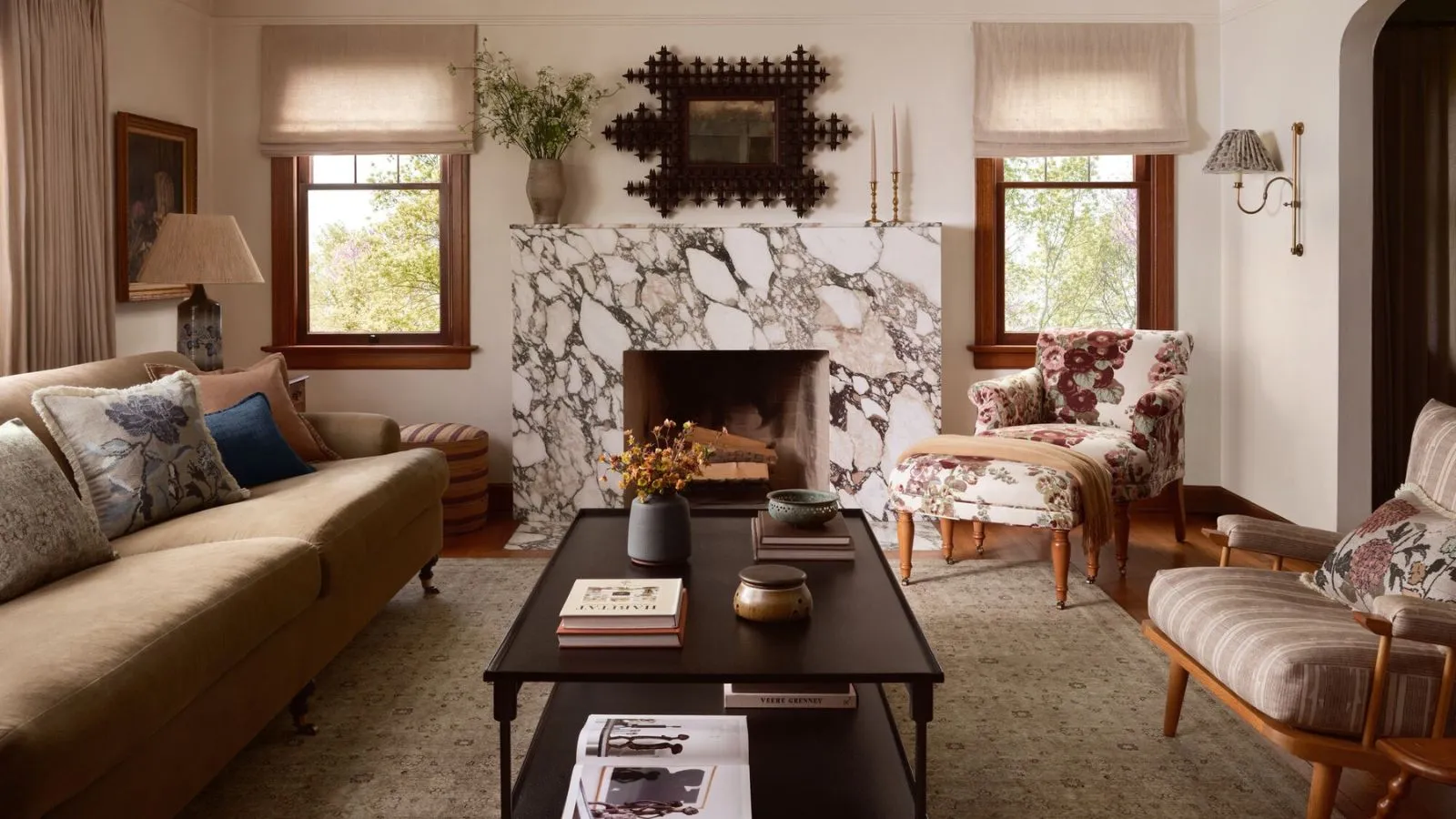
Every home has a few corners that rarely receive attention. It might be the space behind a bedroom door, an overcrowded kitchen shelf, a forgotten balcony, or the narrow area beside a wardrobe. These places often become temporary storage spots that gradually turn into permanent fixtures of everyday life.
While homeowners usually focus on decorating visible spaces, neglected corners can reveal interesting details about personal habits, daily routines, and changing priorities. They tell stories about how people actually live rather than how they want their homes to appear.
Understanding these overlooked areas can help create a more comfortable, organized, and practical living environment without requiring expensive renovations.
The Forgotten Spaces That Collect Everyday Clutter
Most household clutter does not appear overnight. It develops gradually as people place objects wherever they find available space.
A chair in the bedroom becomes a place for clothes. A kitchen counter collects unopened letters, shopping receipts, and miscellaneous accessories. An empty corner near the entrance eventually fills with shoes, bags, and forgotten belongings. These situations often indicate that the home lacks convenient storage for everyday activities.
Rather than treating clutter as a cleaning problem, homeowners can examine why particular objects repeatedly end up in the same locations.
For example, if keys and wallets regularly accumulate on the dining table, installing a small organizer near the entrance might provide a practical solution.
The goal is not necessarily to eliminate every object but to make frequently used belongings easier to manage.
What Neglected Corners Reveal About Family Routines
Family homes constantly change as household responsibilities, children’s activities, and personal schedules evolve.
A corner once used for decorative plants might gradually become a collection point for schoolbags, toys, or sports equipment. These changes reflect the shifting needs of the people living in the house.
Parents exploring household organization ideas through resources such as theparent.com.au may recognize how important flexible living spaces can be when managing family responsibilities.
Instead of expecting every room to remain perfectly arranged, families can create practical systems that accommodate changing routines.
Simple adjustments, including accessible storage baskets, designated activity areas, and multipurpose furniture, can make everyday responsibilities easier. A home that adapts to its occupants is often more useful than one designed primarily for appearance.
Why Entryways Reveal More Than Expected
The entrance of a home is particularly revealing because it connects outdoor responsibilities with indoor comfort. Shoes, umbrellas, shopping bags, and delivery packages often accumulate near the front door.
For residents who regularly rely on public transit, this space may also contain travel cards, backpacks, headphones, and other commuting essentials. When these belongings lack designated storage, the entrance can quickly become disorganized.
A narrow shelf, wall hooks, or a compact shoe cabinet can improve functionality without occupying much floor space.
Creating an organized entryway also makes leaving home less stressful because essential items remain accessible. These small improvements demonstrate how thoughtful organization can support daily routines.
The Relationship Between Unused Spaces and Changing Priorities
Sometimes neglected areas are not cluttered at all. They simply remain unused because household priorities have changed.
A reading corner might lose its purpose after working hours become longer. A balcony intended for relaxation may become an occasional storage area. These spaces can reveal activities that people once enjoyed but no longer make time for.
Lifestyle discussions featured in a Sydney online magazine often explore how urban living, limited space, and busy schedules influence household choices.
Reconsidering an unused corner provides an opportunity to identify what would genuinely improve everyday life.
Perhaps an abandoned reading area could become a comfortable workspace, or an unused balcony could accommodate a small seating arrangement.
The most effective changes begin with understanding current needs rather than following decorating trends.
Small Maintenance Problems Often Hide in Plain Sight
Neglected corners can also reveal maintenance issues that homeowners overlook during regular cleaning.
Dust accumulation, peeling paint, moisture stains, and poorly ventilated areas may develop gradually behind furniture or inside storage spaces.
Although these problems initially appear minor, ignoring them can sometimes lead to more expensive repairs. Regular inspections help homeowners identify potential concerns before they become serious.
Moving furniture occasionally, checking walls for dampness, and cleaning difficult areas can improve both household maintenance and indoor comfort.
These activities do not require elaborate equipment or professional assistance unless structural damage or persistent moisture problems are discovered.
Why Practical Homes Do Not Need Perfect Organization
Perfectly arranged interiors may look appealing in photographs, but everyday living rarely follows such predictable patterns.
Homes accommodate unexpected visitors, changing work schedules, family activities, and countless small interruptions.
A Melbourne blog discussing practical lifestyle choices might highlight the importance of creating spaces that remain functional even when daily routines become unpredictable.
Rather than pursuing flawless organization, homeowners can focus on reducing unnecessary inconvenience.
A convenient laundry basket, accessible charging station, or additional storage shelf may provide more lasting value than an expensive decorative upgrade.
Practical improvements succeed when they make ordinary activities easier without demanding constant maintenance.
Conclusion
The most neglected corners of a home are more than forgotten spaces. They reflect personal routines, household challenges, changing interests, and everyday priorities.
By observing where clutter gathers, which areas remain unused, and where maintenance problems develop, homeowners can better understand how their living environments support daily life.
Meaningful home improvement does not always begin with renovation plans or expensive purchases. Sometimes, it starts by paying attention to the quiet corners that everyone has learned to overlook.

