

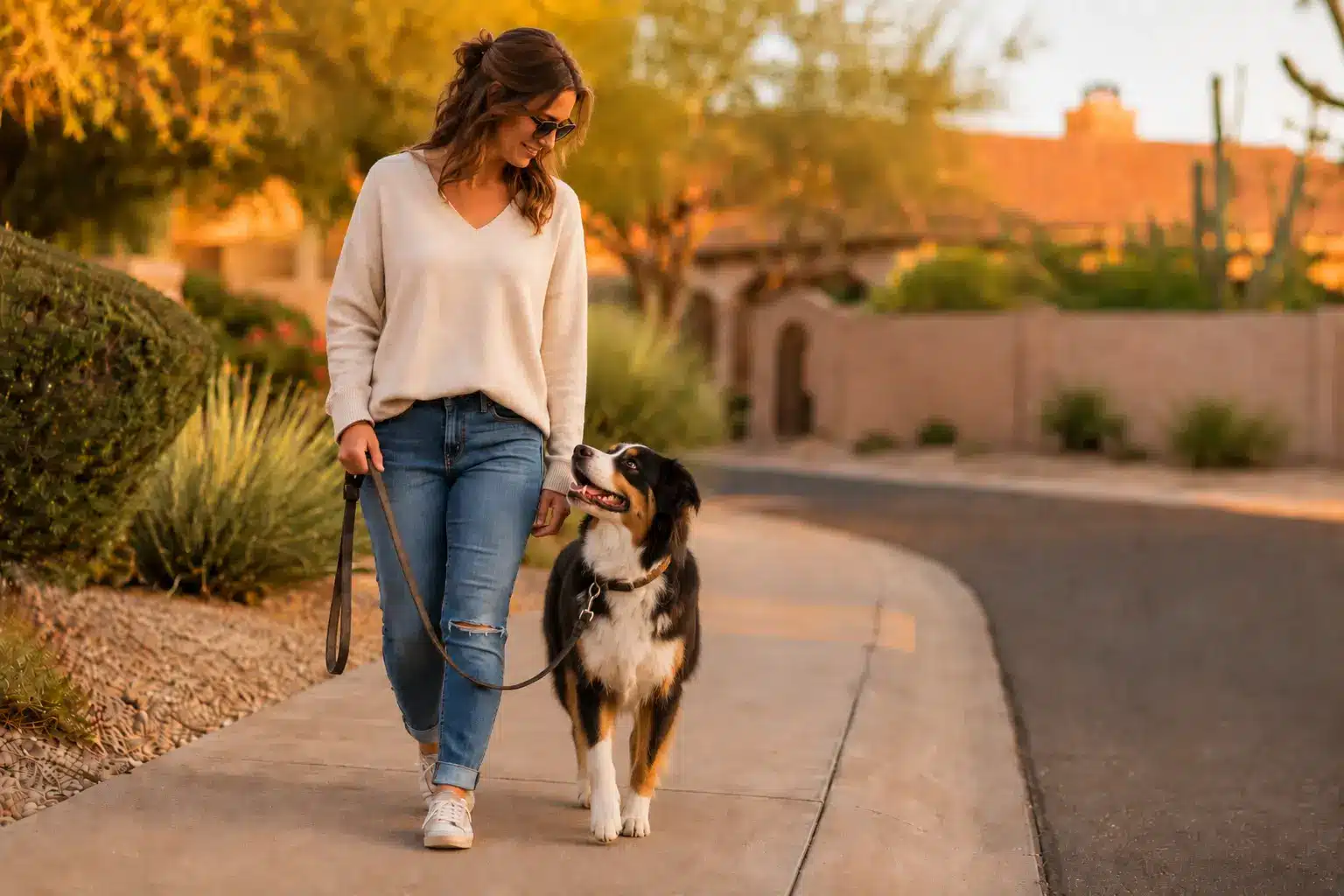
Finding the best dog trainer Phoenix offers is about more than teaching a dog to sit or stay. Effective training creates clear communication, builds trust, and helps dogs develop behaviors that make daily life safer and more enjoyable. At Rob’s Dog Training, the focus is on helping dogs and their owners build reliable skills through consistent, structured training. Whether you have a young puppy, an energetic adolescent, or an adult dog with challenging habits, choosing the right training approach can make a meaningful difference.
Many owners focus only on correcting unwanted behaviors after they appear. A more effective strategy is to teach dogs what you want them to do instead. Consistent guidance, proper timing, and structured practice help dogs understand expectations while strengthening the relationship they share with their owners.
Why Dog Training Is About More Than Obedience
Obedience is only one part of successful dog training. Dogs learn through repeated experiences, and every interaction reinforces a behavior, whether intentional or not.
Professional training helps owners understand:
- How dogs learn through repetition and consequences
- Why consistency matters across family members
- How timing affects learning
- The importance of rewarding desired behaviors
- Ways to prevent unwanted habits before they become established
Rather than simply teaching commands, quality training creates a communication system that helps dogs confidently navigate everyday situations.
What Makes the Best Dog Trainer Phoenix Dog Owners Should Consider?
Every dog is different. Age, breed, personality, energy level, previous experiences, and home environment all influence how quickly a dog learns and what training methods are most effective.
When evaluating a trainer, consider whether they:
- Assess each dog’s individual behavior
- Create customized training plans
- Explain techniques clearly to owners
- Focus on practical everyday skills
- Teach owners how to maintain progress after sessions
Training should never rely on quick fixes alone. Long-term success comes from helping both the dog and the owner understand the learning process.
Build a Strong Foundation Before Addressing Problems
Many common behavioral issues develop because dogs never learned the foundation skills needed for everyday life.
These foundational behaviors include:
- Responding to their name
- Reliable recall
- Loose leash walking
- Sitting politely around people
- Waiting at doors
- Settling calmly indoors
Once these basics become reliable, dogs are better prepared to learn more advanced skills and handle increasingly distracting environments.
Why Consistency Matters More Than Lengthy Training Sessions
One of the biggest misconceptions is that dogs need long daily training sessions.
In reality, several short sessions often produce better results because dogs stay focused and engaged.
A productive routine may include:
- Five-minute obedience practice
- Brief leash walking exercises
- Calm greetings throughout the day
- Rewarding desired behaviors during normal activities
Training becomes much easier when learning is incorporated into everyday routines instead of being limited to scheduled practice sessions.
Understanding Why Dogs Display Unwanted Behaviors
Dogs rarely misbehave without a reason. Unwanted behaviors usually develop because they have been unintentionally reinforced or because the dog lacks the skills needed for the situation.
Common behaviors include:
- Pulling on the leash
- Excessive barking
- Jumping on visitors
- Ignoring recall
- Counter surfing
- Chewing household items
- Reactivity toward other dogs
Instead of focusing only on stopping these behaviors, effective training identifies the cause and teaches an appropriate alternative.
The Role of Positive Reinforcement in Learning
Positive reinforcement encourages dogs to repeat behaviors that produce rewarding outcomes.
Rewards may include:
- Food treats
- Praise
- Toys
- Play
- Access to favorite activities
When used consistently and with proper timing, positive reinforcement helps dogs learn faster while maintaining enthusiasm throughout training.
As dogs become more reliable, rewards can gradually shift from food to praise, play, and everyday life rewards.
Socialization Is More Than Meeting Other Dogs
Many owners assume socialization simply means allowing dogs to play with as many other dogs as possible.
Effective socialization teaches dogs to remain calm and confident around different experiences, including:
- Children
- Adults
- New environments
- Traffic
- Veterinary visits
- Different flooring surfaces
- Loud sounds
- Bicycles
- Joggers
- Public spaces
The goal is confidence rather than constant interaction.
Leash Skills Improve Everyday Walks
Walking politely on a leash makes daily outings more enjoyable for both dogs and owners.
Rather than constantly pulling toward distractions, trained dogs learn to pay attention to their handler while still exploring their environment appropriately.
Good leash training also helps reduce:
- Frustration
- Pulling injuries
- Unsafe encounters
- Stress during walks
Consistent practice gradually develops reliable walking habits even in busy environments.
Recall Can Be One of the Most Important Skills
A dependable recall is one of the most valuable behaviors a dog can learn.
Reliable recall helps improve safety by allowing owners to call their dogs away from distractions before situations become dangerous.
Successful recall training begins in quiet locations before gradually introducing:
- New environments
- Other dogs
- Wildlife
- Parks
- Outdoor distractions
Dogs should learn that returning to their owner consistently leads to positive outcomes.
Why Owners Play the Biggest Role in Success
Even the most experienced trainer spends only limited time with a dog.
Owners influence behavior every day through:
- Daily routines
- Household rules
- Consistency
- Practice
- Reinforcement
The most successful training programs focus on educating owners as much as teaching dogs.
When everyone in the household follows the same expectations, dogs learn much faster.
Common Mistakes That Slow Progress
Many training setbacks occur because owners unknowingly reinforce unwanted behaviors.
Examples include:
- Repeating commands multiple times
- Rewarding attention-seeking behaviors
- Inconsistent household rules
- Expecting too much too quickly
- Practicing only when problems arise
Avoiding these habits allows dogs to develop reliable responses more efficiently.
Patience Creates Long-Term Results
Learning is not a straight line. Dogs often progress quickly before experiencing temporary setbacks as they encounter new environments or distractions.
Successful owners understand that:
- Progress happens gradually.
- Consistency matters more than perfection.
- Small improvements build lasting habits.
- Every dog learns at an individual pace.
Maintaining realistic expectations helps both dogs and owners enjoy the training journey.
Choosing a Training Program That Fits Your Dog
No single training program works for every dog.
Some dogs benefit from:
- Private lessons
- Group classes
- Puppy training
- Behavior modification
- Board-and-train programs
- Advanced obedience
Selecting the right option depends on the dog’s age, temperament, existing behaviors, and the owner’s goals.
A customized approach often produces better long-term outcomes than a one-size-fits-all program.
Training Is a Lifelong Investment
Many owners think training ends after completing a course. In reality, good behavior is maintained through continued practice.
Regular reinforcement helps dogs retain their skills while adapting to new situations throughout life. Even a few minutes of practice each week can help maintain reliable obedience and strengthen communication.
Well-trained dogs are often more confident, easier to manage, and better prepared to participate in family activities, travel, outdoor adventures, and everyday routines.
Final Thoughts
Choosing the best dog trainer Phoenix has to offer involves finding someone who focuses on communication, consistency, and practical skills that improve everyday life. Effective training goes beyond teaching commands by helping dogs understand expectations while giving owners the knowledge to reinforce those behaviors long after formal sessions end.
For those looking to build reliable obedience, address behavioral challenges, or strengthen their relationship with their dog, Rob’s Dog Training provides customized programs designed to help dogs and owners achieve lasting success through consistent, structured training.